STRP Endgame on Friday 20 November 2026 at MU in Eindhoven, exhibition until 3 January 2027
PRESS RELEASE
Eindhoven, 1 October 2026 – After 20 years, STRP is coming to an end. The Eindhoven organisation, known for its festivals and programs at the intersection of art, technology, experimental music, performance and society, will end its activities after 2026.
On Friday 20 November, STRP will close with the STRP Endgame at MU in Eindhoven: a one-day festival with an exhibition based on its own archive, inspiring looks back by artists, visitors and former board members, the presentation of the latest co-creation with young makers, and the performative handover of the STRP archive to MU. After that evening, the exhibition remains on view at MU until 3 January 2027.
On Friday 20 November, STRP will close with the STRP Endgame at MU in Eindhoven: a one-day festival with an exhibition based on its own archive, inspiring looks back by artists, visitors and former board members, the presentation of the latest co-creation with young makers, and the performative handover of the STRP archive to MU. After that evening, the exhibition remains on view at MU until 3 January 2027.
Twenty years of pioneering
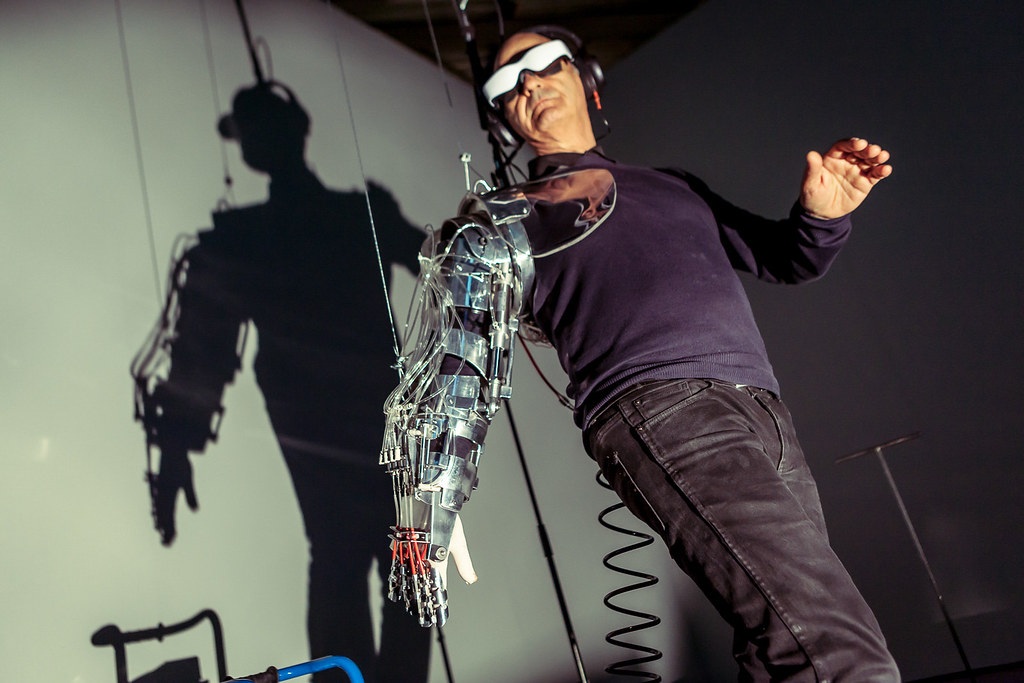
STRP started in 2006 with questions that hardly anyone was asking at the time: in what alternative ways can new technologies be used, how does technology influence us, and in what exciting ways do artists work with technology? STRP wanted to show what the future had to offer and what creatives can make with new technologies. STRP also had an area development role, with the aim of bringing Strijp-S to life. Both missions have been amply fulfilled. Since 2006, STRP has organised sixteen festivals and countless events and educational programmes: from large-scale festival and biennial editions to the smaller, sharper programmes of recent years, in which art, technology, music, performance, dialogue, education and digital culture came together. STRP grew into an idiosyncratic platform for experimental art, critical imagination and new perspectives on the future.
A changed landscape
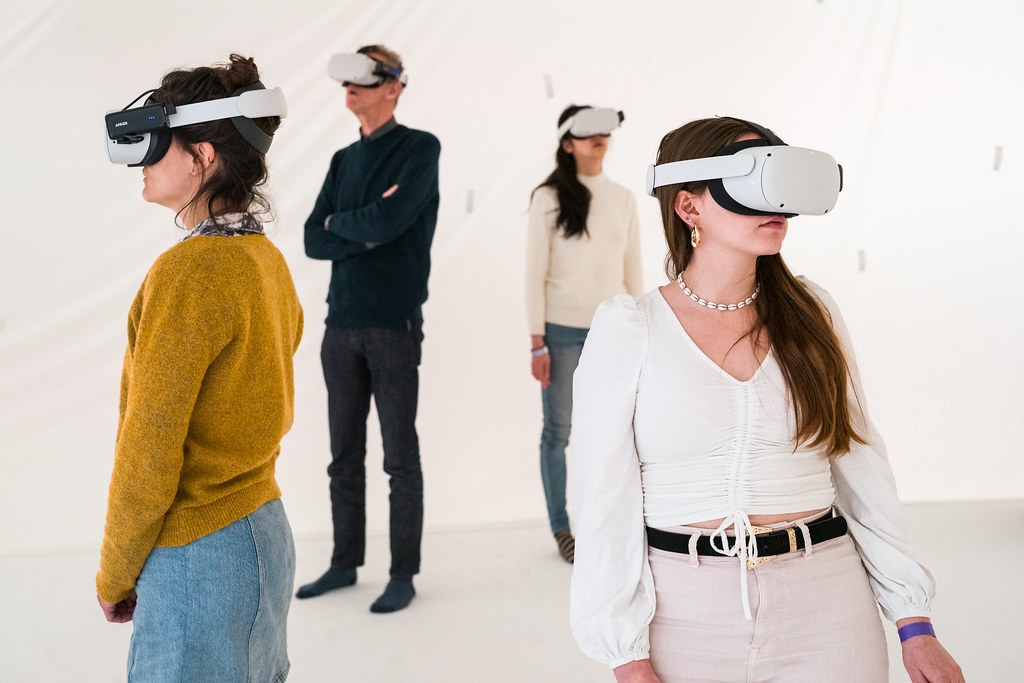
In 2006, the year STRP started, the cultural landscape looked fundamentally different. There were considerably fewer festivals, new media art was still on the margins of the art discourse, and the combination of art, technology and experimental music held an exceptional position. Twenty years later, new media art is widely represented in museums, art schools and public programmes. The critical questions STRP raised about power, imagination and the future are now being asked everywhere.
“We started with a question that hardly anyone was asking at the time. That question is now everywhere: in museums, in education, in public debate. That is the best thing that can happen to a pioneer.”
Nadine Roestenburg, artistic director STRP
At the same time, the range of art and culture on offer has grown and broadened enormously, partly because of mobile technology and the internet. As a result, the competition for audiences, attention, space, staff, resources and urgency has become ever fiercer. STRP has always taken a critical stance towards these developments. At a time when technology is often presented as spectacle, as a solution or as progress in itself, STRP chose art that questions technology, disrupts it and deploys it in unexpected ways. Not spectacle to overwhelm, but critically optimistic art that raises questions about power, imagination, society and the future.
That attitude made STRP sharp, but also vulnerable: operating in a niche is a challenge at a time when the festival and cultural sector is under great pressure. For STRP, physical visitors did not return in large numbers after the coronavirus pandemic. Higher costs, uncertain audience income, changing audience behaviour, falling visitor numbers and subsidies that are decreasing or standing still hit small and medium-sized organisations hardest. For STRP there was an additional question: did the form of a festival organisation still suit the mission it had set itself?
In recent years, STRP has tried to reinvent itself. The focus shifted to younger audiences, participatory programmes, co-creation, talent development and new forms of engagement. Young people were approached not only as an audience, but also as makers, thinkers, advisers and co-organisers. That course was necessary and valuable in terms of content, but economically complex: it is time-intensive because of the close involvement of many people, and younger audiences have less to spend and move differently through a cultural field in which the offer is enormous.
“We started with a question that hardly anyone was asking at the time. That question is now everywhere: in museums, in education, in public debate. That is the best thing that can happen to a pioneer.”
Nadine Roestenburg, artistic director STRP
At the same time, the range of art and culture on offer has grown and broadened enormously, partly because of mobile technology and the internet. As a result, the competition for audiences, attention, space, staff, resources and urgency has become ever fiercer. STRP has always taken a critical stance towards these developments. At a time when technology is often presented as spectacle, as a solution or as progress in itself, STRP chose art that questions technology, disrupts it and deploys it in unexpected ways. Not spectacle to overwhelm, but critically optimistic art that raises questions about power, imagination, society and the future.
That attitude made STRP sharp, but also vulnerable: operating in a niche is a challenge at a time when the festival and cultural sector is under great pressure. For STRP, physical visitors did not return in large numbers after the coronavirus pandemic. Higher costs, uncertain audience income, changing audience behaviour, falling visitor numbers and subsidies that are decreasing or standing still hit small and medium-sized organisations hardest. For STRP there was an additional question: did the form of a festival organisation still suit the mission it had set itself?
In recent years, STRP has tried to reinvent itself. The focus shifted to younger audiences, participatory programmes, co-creation, talent development and new forms of engagement. Young people were approached not only as an audience, but also as makers, thinkers, advisers and co-organisers. That course was necessary and valuable in terms of content, but economically complex: it is time-intensive because of the close involvement of many people, and younger audiences have less to spend and move differently through a cultural field in which the offer is enormous.
The decision to stop
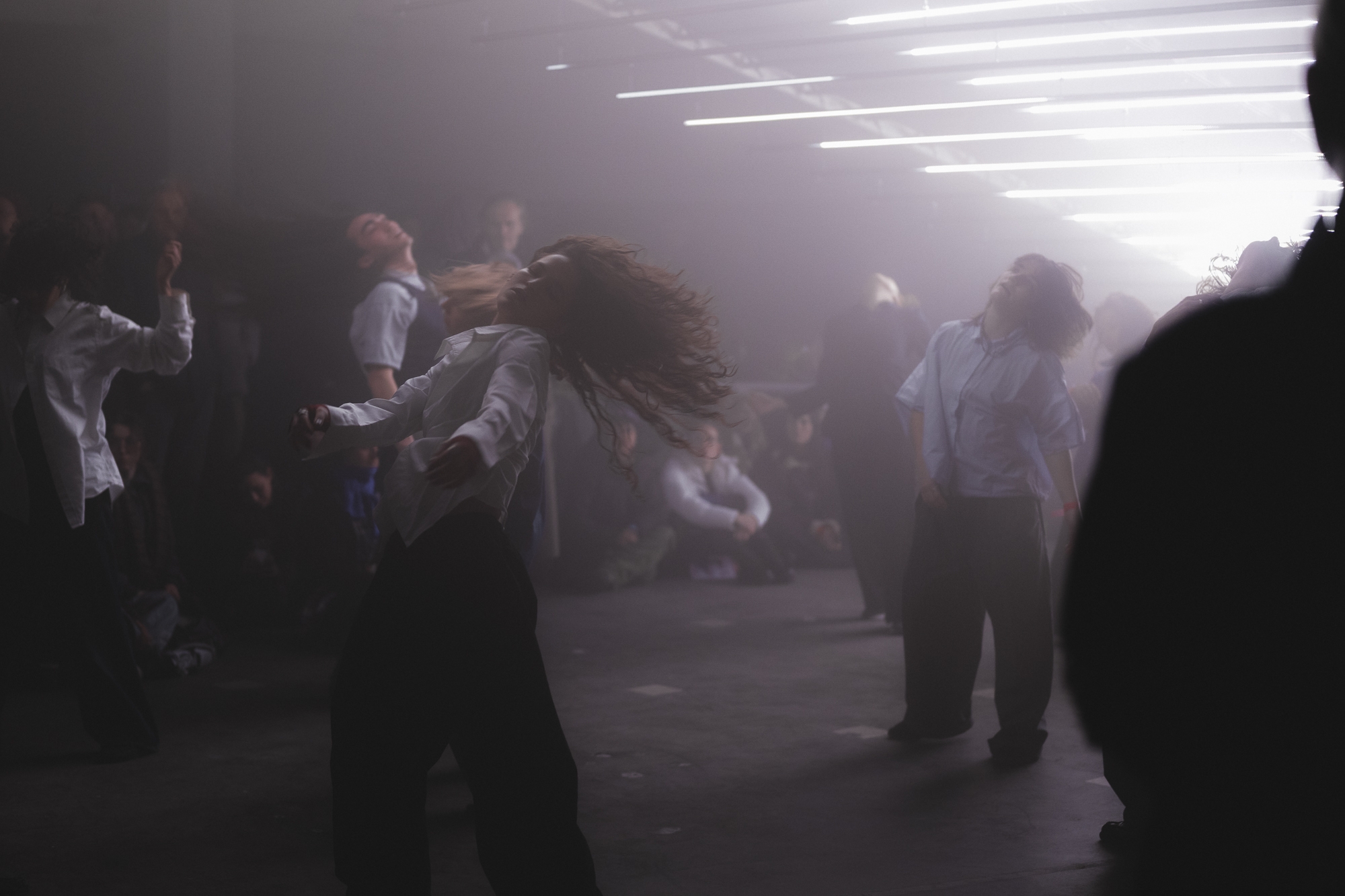
This made the central question ever more pressing: how do you remain meaningful as an organisation in a landscape that has fundamentally changed? For STRP, the answer has ultimately become clear. The questions STRP raised are more urgent than ever, but the structural basis to continue the organisation responsibly no longer exists.
The multi-year subsidy that formed the foundation of the organisation ends on 31 December 2026. The director and the Supervisory Board then made a choice: not to force a scaled-down continuation, but to complete the twentieth year well, wind down the organisation carefully and place its legacy with partners who can take it further. Stopping here is not a lack of faith in STRP’s right to exist, but an act of responsibility. It also frees up space for the next generation of makers and initiatives.
The multi-year subsidy that formed the foundation of the organisation ends on 31 December 2026. The director and the Supervisory Board then made a choice: not to force a scaled-down continuation, but to complete the twentieth year well, wind down the organisation carefully and place its legacy with partners who can take it further. Stopping here is not a lack of faith in STRP’s right to exist, but an act of responsibility. It also frees up space for the next generation of makers and initiatives.
Grateful
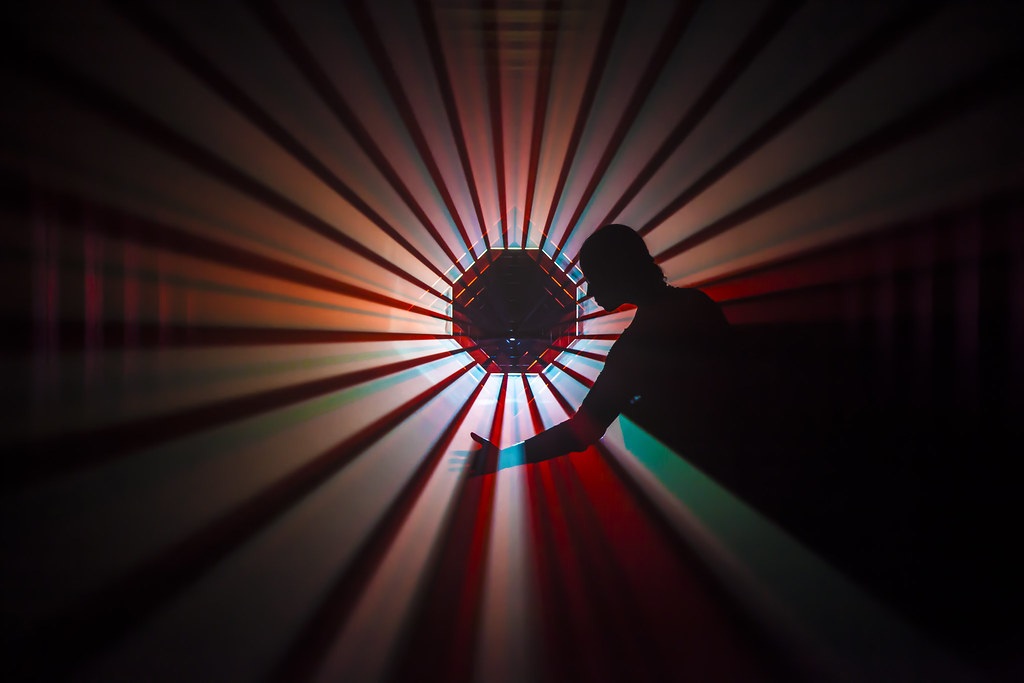
STRP looks back with great gratitude on twenty years of programs, collaborations, experiments, and encounters. Thanks to Stichting Cultuur Eindhoven and the Fonds voor Cultuurparticipatie (Dutch Fund for Cultural Participation) for their support and commitment during this final phase. The organisation gave artists, designers, experimental musicians, performers, students and young people the space to develop new perspectives on technology and society. Precisely in Eindhoven, in the middle of a region where innovation, technology and makeability are central, STRP offered room for imagination, critique and doubt.
“STRP is stopping as an organisation,” says Nadine Roestenburg, “but the questions STRP raises remain and are more urgent than ever. Technologies keep renewing themselves, but the questions stay the same: how do we want to live together with technology? How can technology enrich us instead of draining us? Who develops technology, and what alternatives are conceivable? Which possible futures can we imagine? And what role can art play in a world that is changing at high speed? Above all, we hope that others will keep asking them.”
Nadine Roestenburg, artistic director STRP
Twenty years of STRP will not disappear from Eindhoven. The conversations that preceded the founding of STRP took place at MU. That is why STRP and MU are now working out the handover of the legacy: the digital archive and the STRP website will go to MU, so that they remain online.
The coming period will be used to wind down the organisation carefully. This autumn, three young makers from the STRP x Schemerlicht talent programme will present new work in Nijmegen during Schemerlicht Festival, from 9 to 19 October 2026. The STRP Endgame on 20 November is the last public event. The exhibition at MU can then be seen until 3 January 2027. Would you like to share a special memory of STRP during the Endgame? See the open call at www.strp.nl.
End of PR - Note to editors
STRP Endgame: Friday 20 November 2026 from 18:00 at MU, Torenallee 40-06, Eindhoven. The exhibition can then be seen until 3 January 2027, see: www.mu.nl.
STRP x Schemerlicht talent programme: 9 to 19 October 2026 in Nijmegen during Schemerlicht, see: https://schemerlichtfestival.n...
Interviews: Nadine Roestenburg is available to talk about twenty years of STRP, the decision to stop and the new media art landscape in the Netherlands.
Images: images from twenty years of STRP in the press kit. A contact sheet with captions and credits is included. More images on request.
Contact: Nadine Roestenburg, artistic director — nadine@strp.nl — +31 (0)6 1251 5873
“STRP is stopping as an organisation,” says Nadine Roestenburg, “but the questions STRP raises remain and are more urgent than ever. Technologies keep renewing themselves, but the questions stay the same: how do we want to live together with technology? How can technology enrich us instead of draining us? Who develops technology, and what alternatives are conceivable? Which possible futures can we imagine? And what role can art play in a world that is changing at high speed? Above all, we hope that others will keep asking them.”
Nadine Roestenburg, artistic director STRP
Twenty years of STRP will not disappear from Eindhoven. The conversations that preceded the founding of STRP took place at MU. That is why STRP and MU are now working out the handover of the legacy: the digital archive and the STRP website will go to MU, so that they remain online.
The coming period will be used to wind down the organisation carefully. This autumn, three young makers from the STRP x Schemerlicht talent programme will present new work in Nijmegen during Schemerlicht Festival, from 9 to 19 October 2026. The STRP Endgame on 20 November is the last public event. The exhibition at MU can then be seen until 3 January 2027. Would you like to share a special memory of STRP during the Endgame? See the open call at www.strp.nl.
End of PR - Note to editors
STRP Endgame: Friday 20 November 2026 from 18:00 at MU, Torenallee 40-06, Eindhoven. The exhibition can then be seen until 3 January 2027, see: www.mu.nl.
STRP x Schemerlicht talent programme: 9 to 19 October 2026 in Nijmegen during Schemerlicht, see: https://schemerlichtfestival.n...
Interviews: Nadine Roestenburg is available to talk about twenty years of STRP, the decision to stop and the new media art landscape in the Netherlands.
Images: images from twenty years of STRP in the press kit. A contact sheet with captions and credits is included. More images on request.
Contact: Nadine Roestenburg, artistic director — nadine@strp.nl — +31 (0)6 1251 5873